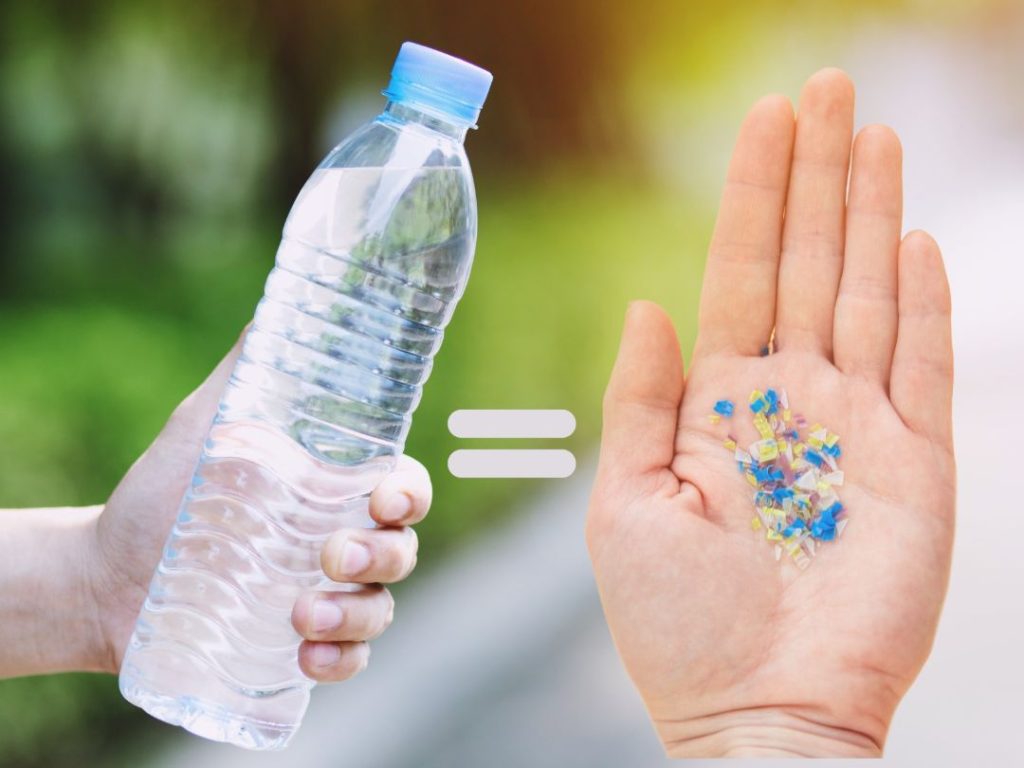
Most bottled Water that we consume is very acidic and studies have found leaching of microplastics in the bottled water. We are not always privy to detailed information about the water source, bottling process, and testing procedures. Bottled water may contain 50% more microplastics than found in tap Water.
Plastic particles can break off and get into bottled water when bottles are made in the manufacturing plants or when caps are unscrewed or screwed back on. Excessive heat exposure can also cause plastic to break down.
Think about how the water is transported to your local store, most of the time, it travels in plastic bottles exposed to sunlight, which breaks down the plastics and goes straight into our bloodstream.
Over 1 million plastic bottles are bought every minute, taking 450+ years to decompose
Why is Bottled Water Bad for you and the environment?
Microplastics & Nanoplastics
Microplastics have been detected in human heart tissue. The average litre of bottled water has nearly a quarter million pieces of ever-so-tiny nano plastics, detected and categorized for the first time by a microscope using dual lasers that can invade cells in the human body. – New Studies on Nano Plastics in Bottled Water
BPA (Bisphenol A)
Some plastic bottles are made with polycarbonate plastic containing BPA, a synthetic compound that can leach into water. BPA is known to mimic hormones in the body and has been associated with potential health risks, including hormonal disruption where it disrupts the endocrine system (this regulates hormones), developmental issues caused when pregnant woman consume bottled water it can impact foetal development (brain, behaviour & reproductive organs.), and an increased risk of diabetes and types of cancers.- BPA Health Impact
No Expiry Date
Bottled water may sit on shelves for extended periods before consumption. Over time, water in plastic bottles may be exposed to heat and light, potentially leading to the release of chemicals from the bottle material into the water. Additionally, the taste and quality of the water may change over time.
Impacting Our Planet
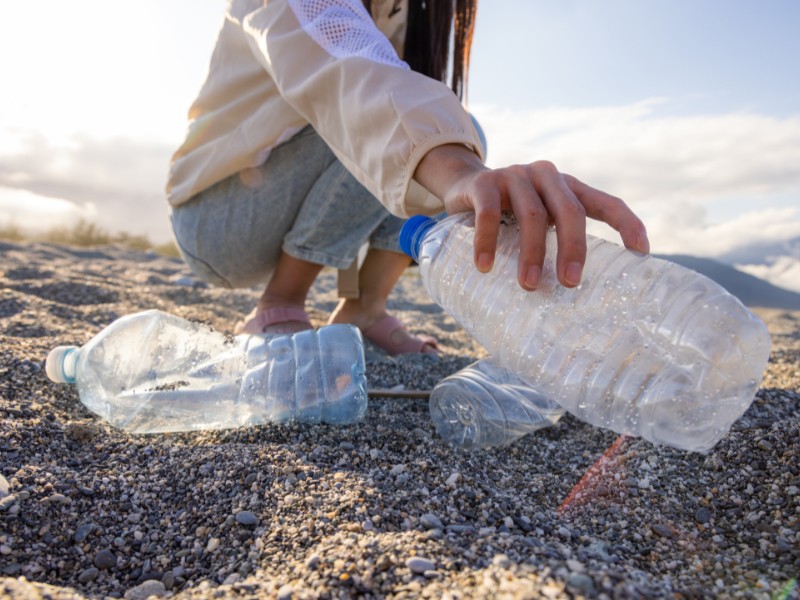
Over 1 million plastic bottles are purchased every minute, with only 9% ever recycled. The rest pollutes our oceans and landscapes. It takes 3 litres of water to produce just 1 litre of bottled water, depleting precious freshwater resources
Did you know
We consumer roughly a credit card of plastic every week, thats 52 credit cards per year!
Nano and microplastics in water are invisible invaders, found in bottled, tap, and even filtered water. These tiny particles enter our bodies, accumulating in organs and tissues, disrupting hormones, and triggering inflammation. Linked to fertility issues, immune dysfunction, and cellular damage, they’re a silent threat hiding in your glass.
Here's what you can do
- Avoid using plastic bottles as much as possible, rather invest in your own water bottle (we supply Structured Water Bottles) made of food grade stainless steel and BYOHW (Bring Your Own Healthy Water.)
- If you do buy bottled water, always make sure that if you don’t finish the water in the bottle, throw the water out, don’t let the leftover water stay in the bottle. This will help give the water back to the planet instead of locking it in plastic forever.
- Never leave your plastic water bottle in the car and drink it afterwards.
- Think about the Planet, you can do your bit by not purchasing plastic bottles, here’s why.